
The Praxis Approach: Understanding Patterns. Practicing Change.
Therapy Services Information

Welcome to Praxis
Praxis, derived from Greek, signifies the 'exercise or practice of an art science, or skill' and emphasizes the 'practical of a theory.' In the realm of therapy, it transcends theoretical knowledge; it calls for an active engagement both the provider and the recipient. This journey invites a collaborative relationship where both individuals practice skills and cultivate awareness, fostering genuine human connection.
Welcome to Praxis Counseling Therapy PLLC, where we provide personalized care for individuals facing addiction, trauma, and mood disorders. Our eclectic approach combines various therapeutic techniques, including CBT, ACT, mindfulness, humanistic, and psychodynamic orientations, all viewed through a trauma-informed. We offer individual therapy for adults aged 18 and above, both in person and virtually, with a limited number of slots available for adolescents aged 15-18. Together, we will support your journey toward healing and change.
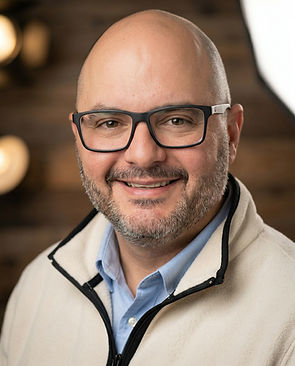
James Saxton
LCSW, LCDC, CCTP, CSTS, CEF, SAP
Providing highly specialized, professional therapeutic services
LCSW (Licensed Clinical Social Worker) / Master Level Clinician
LCSWs are trained to view clients through a "systems" lens. This means they don't just look at your internal psychology; they look at how your environment, family dynamics, socioeconomic status, and relationships impact your mental health. They offer a highly holistic, well-rounded foundation for psychotherapy.
LCDC (Licensed Chemical Dependency Counselor)
While an LCSW handles general mental health, an LCDC brings highly specialized knowledge regarding the neuroscience of addiction, withdrawal, craving management, and relapse prevention. In therapy, this ensures that any substance use issues are treated with evidence-based addiction protocols, rather than just general counseling
CCTP (Certified Clinical Trauma Professional)
Traditional talk therapy can sometimes re-traumatize a client. A CCTP knows how to safely pace therapy, helping clients process traumatic memories without becoming overwhelmed. They understand that trauma lives in the nervous system, and they use specific interventions to help regulate the body's "fight or flight" response.
CSTS (Certified Shame-Informed Treatment Specialist)
Shame is often the invisible barrier that keeps clients "stuck" in therapy, fueling addiction, perfectionism, and self-loathing. A CSTS is trained to recognize when a client's nervous system is shutting down due to shame. They use specific tools—often rooted in neurobiology and self-compassion—to bypass the inner critic, helping clients move from self-judgment to self-acceptance
CEF (Certified Experiential Facilitator)
Talk therapy has limits; sometimes, you can't just talk your way out of a problem. A CEF brings therapy into the physical realm. They might have you role-play a conversation with an empty chair, use art, or focus on where you feel physical tension in your body. This allows clients to physically release stuck emotions and bypass the analytical brain to achieve deeper emotional breakthroughs.
SAP (Substance Abuse Professional)
A SAP actually does not provide therapy in this specific role; they act as a neutral evaluator. If an employee in a safety-sensitive job (like a commercial truck driver or pilot) fails a drug or alcohol test, a SAP evaluates them and prescribes a mandatory education or treatment plan. While it doesn't directly dictate the style of a private therapy session, a therapist holding a SAP credential possesses a high-level, federally recognized expertise in assessing the severity of substance abuse.
In a therapy session, this combination means the clinician can diagnose and treat your mental health (LCSW) while expertly managing any addiction struggles (LCDC). They will look at the root cause of your pain through a trauma-informed lens (CCTP) and specifically target the destructive, silent power of self-loathing (CSTS). Finally, they will likely use active, body-based exercises rather than just having you sit on a couch and talk (CEF)

Rates and Insurance
As of April 2026, all slots for in-network insurance, EAP, and sliding scale clients are full.
Praxis is only accepting new private pay / cash pay or out of network clients at this time.
Praxis is in-network with most major insurance carriers. Specific plans may or may not be covered. Insurance verification will occur prior to first session.
Praxis holds a limited number of slots for insurance clients.
As of April 2026 all insurance slots are full. Please contact Praxis for further information or to be placed on a wait list for insurance.
Praxis works with a variety of EAP (Employee Assistance Programs). Verification of EAP benefits will occur prior to first session.
Praxis holds a limited number of slots for EAP clients.
As of April 2026 all EAP slots are full. Please contact Praxis for further information or to be placed on a wait list for EAP.
Praxis does accept private pay/ cash pay clients. Sliding scale is also available. Out of network (insurance companies that the therapist is not paneled with) clients are also accepted and are subject to the initial private pay rate.
Praxis holds a limited number of slots for sliding scale clients.
As of April 2026 all sliding scale slots are full. Please contact Praxis for further information or to be placed on a wait list for sliding scale.
As of April 2026, the private pay / cash pay rate and out of network rates for both Texas and Florida are as follows:
Initial Assessment - $240
Individual Sessions (1 hour) - $200